
A Practical Guide: Scheduling HVAC Inspections
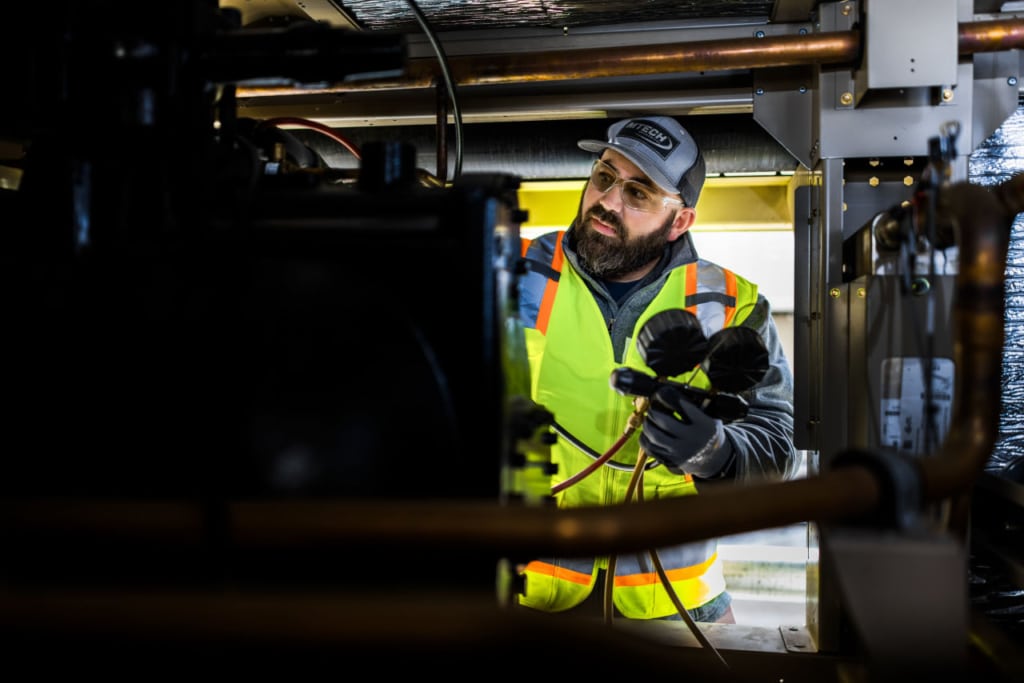
By Sean Weldon, Service Account Manager
For commercial property managers, HVAC systems rarely demand attention when they are working properly. But when issues arise, whether it’s inconsistent temperatures, rising energy bills, or tenant comfort complaints, the impact can quickly disrupt building operations. Knowing when to schedule inspections and the warning signs can help property managers prevent costly repairs and maintain reliable operations.
Signs It May Be Time for an HVAC Inspection
While annual inspections are widely recommended, there are several situations when property managers should consider scheduling an inspection sooner.
- Temperature inconsistencies: If certain areas of your building are cold while others are excessively hot, your system may not be working efficiently. This could be caused by failed valves, faulty controls or failure in heating/cooling equipment.
- Strange noises: Your HVAC system shouldn’t sound like it’s auditioning for a heavy metal band. If it’s grinding, screeching or clanging, it’s trying to tell you it needs some TLC!
- Short cycling: If your unit frequently turns on and off for short periods of time, it could be overworked.
- Damaged rooftop units: Most commercial HVAC units are installed on the roof, which exposes them to extreme weather conditions and potential damage that could be affecting your heating and cooling system. In Colorado, it is common to have rooftop unit panels blown off by high winds.
- Decreased air quality: A properly working HVAC system is like a security team for your building – it kicks out moisture, blocks dust, pollen and other pesky allergens, and keeps the air fresh for tenants and visitors. Changing filters is the most cost-effective way to ensure good air quality and extend the life of equipment.
- Rising energy bills: A significant rise in your energy bills could indicate your system is working overtime to compensate for inefficiencies.
In many cases, these issues develop gradually. An inspection allows technicians to identify underlying causes and correct them before they escalate into major repairs.
Seasonal Transitions Are Ideal Inspection Windows
Timing plays an important role in effective HVAC maintenance. In many commercial buildings, the best time to schedule inspections is before major seasonal transitions, particularly ahead of peak cooling or heating demand. Spring inspections help ensure cooling systems are ready for the increased workload of summer months. Similarly, fall inspections allow technicians to verify that heating systems will operate reliably when temperatures drop. Scheduling inspections during these transition periods gives property managers the opportunity to address maintenance needs before equipment is placed under its heaviest operational stress. This approach also reduces the likelihood of midseason breakdowns when service demand is high and emergency repairs may be more difficult to schedule.
What to expect during an inspection.
A comprehensive HVAC inspection focuses on potential issues that can impact safety, air quality, system efficiency, and overall functionality.
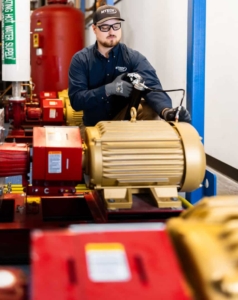
The inspection entails:
- Visually inspect all components for wear and tear;
- Test system controls for proper operation;
- Inspect ductwork and coils for dust, debris and potential mold growth;
- Inspect wiring to prevent any electrical issues;
- Evaluate controls settings and calibration; and
- Assess airflow and check for any irregularities.
An inspection completed by a trusted service partner will provide you with a comprehensive evaluation of your system that will help you fix immediate issues, prevent future problems, identify cost savings, and prepare for larger repairs or replacements. Preventative maintenance contracts are a great way to prioritize regular inspections, plus you will have a trusted partner to keep track of performance trends, service records and future planning for you.
The operational benefits of proactive inspections.
Routine HVAC inspections provide several advantages for property managers beyond preventing equipment failures. Inspections help:
- Maintain energy efficiency: When systems operate with clean components, balanced airflow, and properly calibrated controls, they require less energy to deliver the same level of comfort.
- Extend equipment lifespan: Identifying worn parts, electrical concerns, or airflow issues early allows technicians to resolve them before damage spreads to other components.
- Support tenant satisfaction: Comfortable indoor environments are a fundamental expectation for building occupants. Addressing system issues before they become noticeable helps property managers maintain reliable building operations and reduce tenant complaints.
A proactive approach to building performance.
Commercial buildings rely on complex mechanical systems that must operate reliably day after day. HVAC inspections provide property managers with a practical tool to plan maintenance strategically, control operating costs, protect the long-term performance of their buildings, and guarantee tenant comfort and satisfaction.
