
Out of Sight, But Not Out of Mind: How Utility Line Problems Impact Building Safety & Operations
By Jeff Giulio, Senior Account Manager
When most building owners and property managers think about critical infrastructure, they picture HVAC equipment, electrical systems or plumbing fixtures inside the building. What is often overlooked are the utility lines buried beneath the property: the water, sewer, storm and gas lines that quietly support daily operations.
Because these systems are out of sight, it can be easy to assume they are functioning properly. However, aging or damaged utility lines can create safety concerns, operational disruptions, and expensive repairs long before visible signs of failure appear.
The Hidden Impact of Utility Line Failures
Underground utility systems serve as the circulatory system of a property’s operations. When a problem develops below ground, the effects can quickly extend throughout a building.
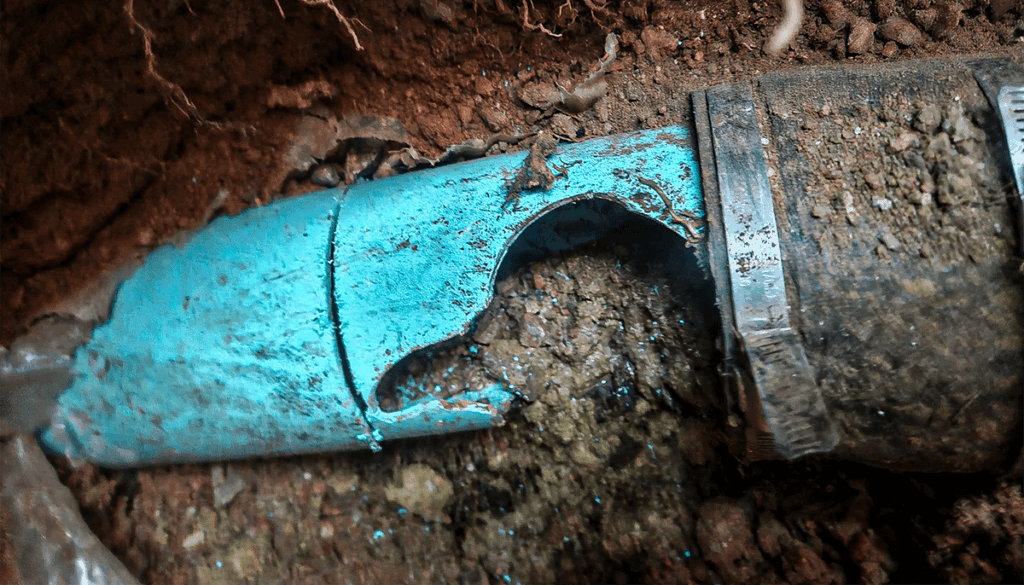
A damaged water line can reduce water pressure, increase water consumption, or cause subsurface leaks that undermine pavement, landscaping, and building foundations. Sewer line failures can lead to backups, sanitation concerns, and disruptions for tenants and occupants. Stormwater systems that become obstructed or damaged may contribute to localized flooding during heavy precipitation events.
Aging Infrastructure Creates New Challenges
Many commercial and multifamily properties throughout Colorado were developed decades ago. While buildings may undergo renovations and equipment upgrades, underground utility infrastructure is often left untouched until a problem occurs.
Over time, utility lines are exposed to a variety of stresses, including corrosion, ground movement, temperature fluctuations, and normal wear. The challenge for property managers is that underground systems rarely provide obvious warning signs. By the time a sinkhole, sewer backup, or significant leak appears, the issue may have already been developing for years.
Colorado Conditions Can Add Stress
Colorado’s climate presents unique challenges for underground infrastructure.
Extended periods of drought can dry and shrink soils, contributing to ground movement around buried utility lines. As soil conditions change, pipes may experience additional stress at joints and connection points. During dry periods, tree roots may also seek out moisture sources, increasing the likelihood of root intrusion into aging sewer lines.
On the opposite end of the spectrum, heavy rainfall events can expose weaknesses in stormwater and drainage systems. Utility lines that have been compromised by age or deferred maintenance may be less capable of handling changing conditions.
While these environmental factors may not cause failures on their own, they can accelerate existing issues within vulnerable infrastructure.
Safety and Compliance Considerations
Utility line failures can create more than operational inconveniences.
Water leaks can create slip hazards, damage building materials and contribute to mold growth if left unresolved. Sewer backups can create sanitation concerns and require extensive cleanup efforts. Damaged gas lines present obvious safety risks and demand immediate attention.
In addition to safety concerns, utility failures can result in unexpected compliance challenges, insurance claims, tenant complaints and costly emergency repairs.
Why Proactive Monitoring Matters
The most effective way to manage underground infrastructure is to identify problems before they become emergencies.
Routine camera inspections, leak detection services, and preventive maintenance agreements can help property owners evaluate the condition of utility lines and identify developing issues early. Similar to preventive maintenance for HVAC or roofing systems, utility infrastructure benefits from regular assessment and planning.
Monitoring can help identify root intrusion in sewer lines; pipe corrosion and deterioration; scale buildup and flow restrictions; joint separation and pipe displacement; hidden leaks and water loss; and areas vulnerable to future failure.
By understanding the condition of underground infrastructure, property managers can make informed decisions about maintenance, repair and capital planning rather than reacting to unexpected failures.
Looking Below the Surface
Utility lines rarely receive attention when everything is working properly. Yet these hidden systems play a critical role in building safety, tenant satisfaction and operational reliability.
Just because infrastructure is underground does not mean it should be overlooked. Proactive monitoring and routine inspections can help property owners identify risks early, extend the life of utility systems and avoid costly disruptions.
Like any critical building asset, utility infrastructure performs best when it receives the attention it deserves.
First Published in Colorado Real Estate Journal – Property Management Quarterly – July 2026
