
Effective Plumbing & Drains Service in Healthcare
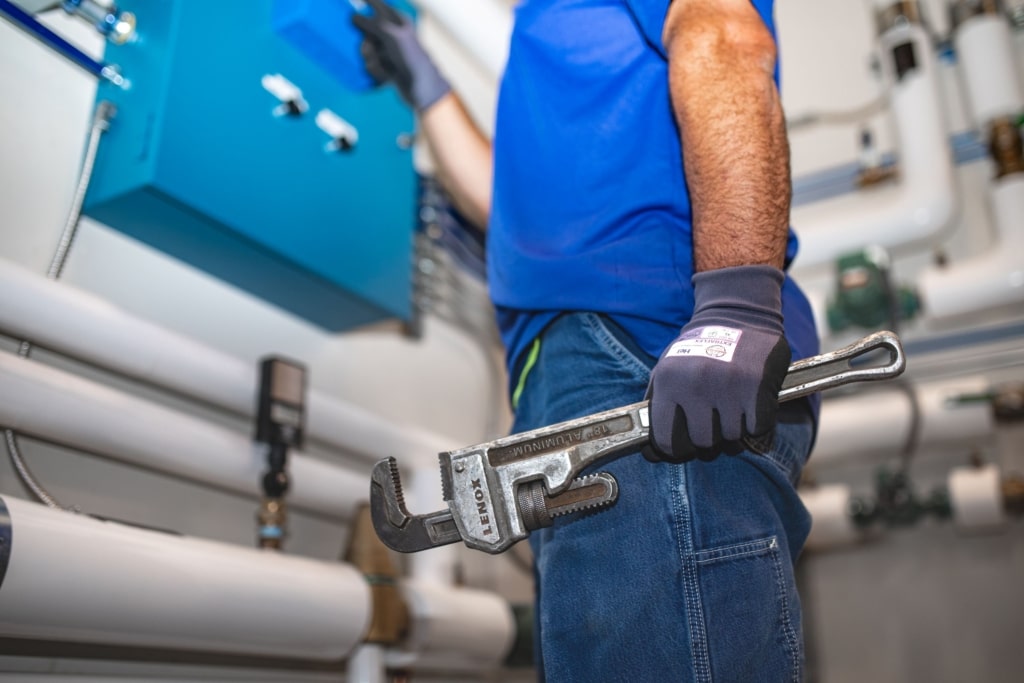
By Brandon Stream, Service Account Manager
Healthcare facilities operate unlike anywhere else. They do not close, they do not slow down, and they have very little tolerance for disruption. Every system in the building must work continuously because patient care depends on it. That reality changes how critical infrastructure, especially plumbing and drain systems, must be maintained, repaired and supported.
From the outside, it is easy to assume most plumbing calls revolve around drain backups. While those situations do occur and require immediate attention, they represent only a portion of the plumbing work done within the healthcare realm. In most buildings, a piping issue is an inconvenience; in a hospital it quickly becomes a critical event requiring immediate response to avoid impacting patient care or clinical operations.
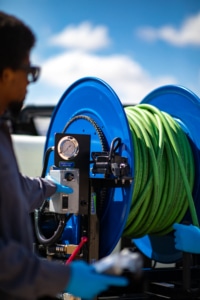
The majority of work involves maintaining and repairing active systems such as steam lines, hydronic piping, domestic water, and the equipment they support. These systems are interconnected and essential to functions like sterilization, environmental control, and overall facility operation. When a failure occurs, the impact can extend beyond a single area and affect multiple systems and departments. Because these systems are so closely tied together, issues in steam, piping, or drainage infrastructure can quickly escalate into broader operational challenges.
Hospital systems cannot simply be shut down for repairs. To avoid disruption, service technicians must rely on advanced methods such as pipe freezing, line stopping, or other methods of isolating sections of active systems. These approaches require not only technical expertise but also careful coordination with facility teams.
Much of this work takes place in critical or sterile environments where strict infection prevention protocols must be followed. Whether it is a routine maintenance issue, an emergency repair, or a response to a drain backup, the ability to act quickly and minimize impact is critical.
While drain issues are one of the more common service needs in healthcare facilities, they are rarely isolated. The complexity of these environments requires a broader, more integrated approach, one where a service partner can support multiple systems while working seamlessly with facility teams. Effective plumbing and drains service involves:
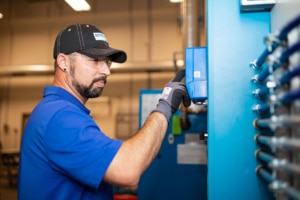 Working on live systems. Shutting down systems in a hospital is rarely an option. Service teams need to perform repairs while systems remain active. This requires the ability to isolate sections of piping, use pipe freezing or line stopping when needed, to complete the work without affecting the rest of the facility.
- Responding to critical issues. When something fails in a healthcare environment, it needs to be addressed immediately. Steam leaks, equipment failures, and piping issues can all impact patient care if they are not handled quickly. Speed matters, but accuracy matters just as much.
- Operating in sensitive environments. Every activity, from minor maintenance to major repairs, must be performed in a way that protects patients and staff. Technicians must understand and adhere to infection prevention protocols to avoid increasing risk while performing work. When working on active drain lines, especially in patient areas, controlling exposure is critical. Even routine practices such as using approved tools or adhering to facility-specific procedures are essential to patient safety. When a service provider is experienced in healthcare, it already has the necessary training and specialized equipment (like controlled jetting equipment or using camera inspections to minimize invasive work) that allows him to mobilize and solve the issue quicker while minimizing risk.
- Working alongside facility teams. Hospital facility teams understand their buildings and handle day-to-day operations. Service providers step in when work becomes complex or requires specialized methods. Strong coordination ensures the work is done efficiently and aligned with the facility’s priorities.
- Taking a systemwide view. All systems in a healthcare facility are interconnected. Addressing one issue without understanding the full picture can create additional problems. Effective service requires looking beyond the immediate repair and considering the impact on the entire system. Experienced plumbing and drain professionals understand how to evaluate system conditions, identify high-risk areas, and recommend targeted maintenance strategies. By addressing issues early, facilities can reduce the frequency of emergency calls, minimize disruption, and extend the life of critical infrastructure.
Service in healthcare facilities is not just about technical ability. It requires awareness of the environment, the systems, and the consequences of every action. The best approach is one that prioritizes speed, precision, safety and collaboration.
First Published in Colorado Real Estate Journal – Health Care & Life Sciences Quarterly – April 2026
